

There are few homeowner moments more unsettling than realizing your pipes may have frozen while you were away. In Denver, where winter temperatures swing dramatically and freeze-thaw cycles are common, this is not rare. It is seasonal reality. The good news? A frozen pipe does not automatically mean a burst pipe. With the right steps taken quickly and calmly, you can prevent thousands of dollars in damage and restore your plumbing safely, or know when it’s time to contact an emergency plumber near me in Denver before the situation escalates.
Whether you live in a historic Wash Park home or a newer build in Cherry Creek, knowing exactly what to do next protects your investment and your peace of mind. Let’s walk through it step by step.
How to Tell If Your Pipes Froze While You Were Away
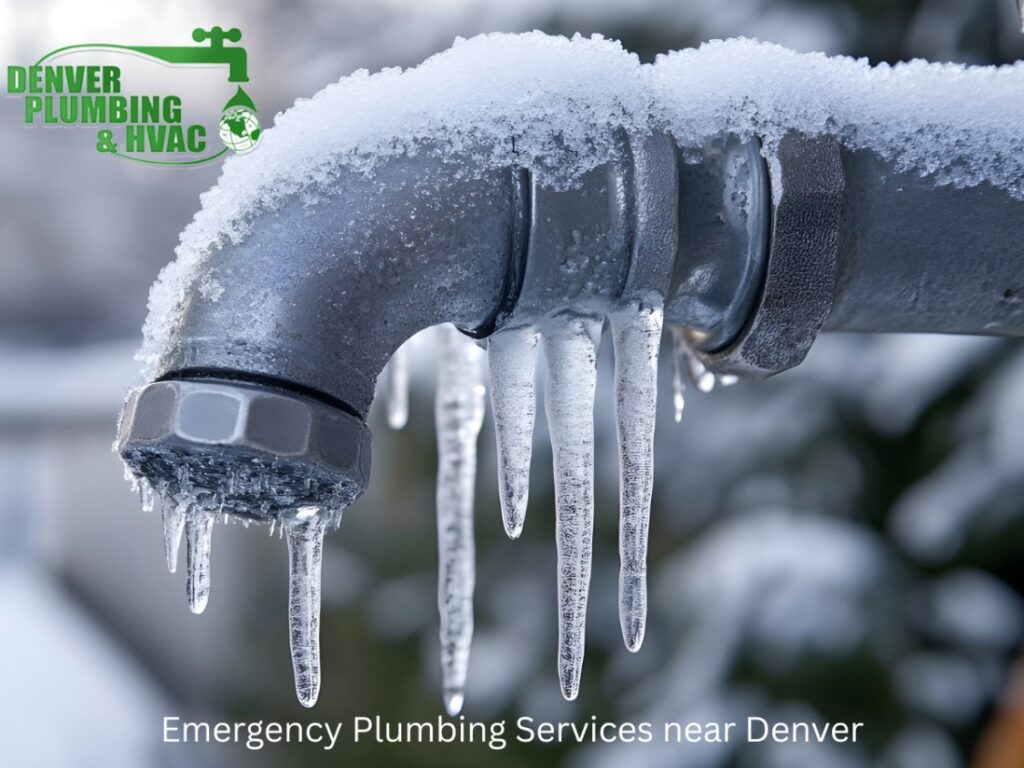
You may not see ice, but the signs are clear. Turn on a faucet and notice little to no water flow, especially from exterior walls, kitchen sinks, or basement lines. You might also see frost on exposed pipes, bulging sections, or hear strange banging when you attempt to run water.
If this happens, pause. Don’t panic. Acting methodically in the first 10–15 minutes makes all the difference. Before you do anything else, continue reading to ensure you respond safely and strategically.
Shut Off the Main Water Supply Immediately
If you suspect freezing, your first move is to shut off the main water valve. This prevents a cracked pipe from turning into a full-scale flood once thawing begins. In most Denver homes, the main shutoff is located in the basement, crawlspace, or near the water meter.
Turn the valve clockwise until it stops. If you’re unsure where it is, now is the time to locate it. Every homeowner should know this before an emergency happens. Not sure where yours is? Bookmark this page for quick access later.
This single step can prevent extensive structural damage and costly restoration.
Open Faucets to Relieve Pressure
Once the main water supply is off, open all faucets connected to the suspected frozen line. Start with the faucet closest to the frozen area and work outward. This allows pressure to release and gives melting ice somewhere to drain safely.
Opening both hot and cold handles is essential. Even if only one side seems affected, pressure can build in unexpected places. Leaving faucets open during thawing reduces the risk of pipe rupture and helps you monitor progress as water begins to flow again.
What NOT to Do When Thawing Frozen Pipes
This is where many homeowners unintentionally cause more damage. Do not use open flames, propane torches, or space heaters directly on pipes. Fire risk and pipe damage increase dramatically with these methods.
Hair dryers may seem harmless, but they can overload circuits in damp environments and pose electrical hazards. Never use boiling water directly on frozen pipes. It can cause thermal shock and cracking.
When in doubt, avoid DIY heat sources and consult a professional. Searching for an emergency plumbing services near Denver quickly connects you with trained experts who use controlled, safe thawing equipment.
Safe Ways to Begin Controlled Thawing
If the pipe is visible and accessible, you may gently apply warm (not hot) air using a regulated heat source such as a heating pad, UL-listed heat tape, or warm towels replaced frequently. Always start thawing near the faucet and work backward toward the frozen section.
Never apply heat to enclosed wall cavities without professional guidance. Hidden frozen pipes inside drywall require specialized detection and thawing methods. If you cannot locate the frozen section within minutes, it’s time to escalate responsibly.
When to Call an Emergency Plumber Near Me in Denver
If you see cracks, bulging pipes, active leaks, or cannot restore water flow safely, contact an emergency plumber near me in Denver immediately. Time matters. Even a hairline fracture can release gallons of water once thawing completes.
Professional plumbers use infrared detection, controlled heating equipment, and pressure testing to ensure your system is secure. More importantly, they inspect for secondary damage that homeowners often miss.
If you suspect a burst pipe or see water pooling, call Denver Plumbing Consultants immediately for rapid-response emergency service. Waiting even one hour can increase repair costs significantly.
After the Freeze: Inspect and Protect Your Home
Once water flow returns, turn the main supply back on slowly. Check all exposed pipes for leaks, drips, or unusual sounds. Monitor ceilings and walls for moisture over the next 24 hours.
This is also the moment to improve insulation around vulnerable areas. Garage walls, crawlspaces, attic lines, and exterior plumbing are common trouble spots. Prevention now saves stress later. Want a proactive winter plumbing inspection? Schedule one before the next cold snap hits.
Denver’s elevation and climate fluctuations make seasonal plumbing care essential, especially in luxury or custom-built homes where water systems are more complex.
Why Frozen Pipes Are So Common in Denver
Denver winters are unique. One day may sit below 15°F, followed by sun-driven warmth that accelerates thawing. These rapid transitions stress pipe materials, especially in older properties with copper or galvanized steel lines.
When freezing occurs while you’re at work, it often happens during sudden overnight drops. Insufficient insulation, draft exposure, and garage plumbing are the most frequent culprits. Homeowners searching for an emergency plumber during these cold spells spike dramatically because the issue escalates fast.
The Real Risk: Burst Pipes After Thawing
Here’s what surprises most homeowners. Pipes often burst after ice melts. As frozen water expands, it creates internal fractures. Once pressure returns, those weakened areas give way.
This is why shutting off the main water supply is critical. It prevents pressurized water from flooding your home the moment thawing completes. If you notice discoloration, hairline splits, or even a faint drip, contact an emergency plumber near me in Denver before turning water fully back on.
Protecting Your Home Before the Next Freeze
While emergencies demand immediate attention, long-term protection is just as important. Consider insulating exposed pipes with foam sleeves, sealing drafts around foundation walls, and maintaining consistent interior temperatures, even when away.
Smart leak detection systems are also gaining popularity among Denver homeowners. These devices automatically shut off water if abnormal flow is detected. For luxury residences and high-value properties, this technology adds a layer of proactive protection.
If you travel frequently or own a second home, professional winterization services offer peace of mind. Preventative action always costs less than emergency restoration.
Stay Calm. Act Fast. Call Professionals When Needed.
Frozen pipes are stressful—but manageable when handled correctly. The key principles are simple:
- Shut off water immediately
- Open faucets to relieve pressure
- Avoid dangerous heat sources
- Call experts when damage is suspected
Every minute counts in freezing conditions. Searching for an emergency plumber in Denver connects you with licensed professionals trained to mitigate risk quickly and efficiently.
Need Immediate Help? Call Denver Plumbing Consultants Now
If your pipes froze while you were at work, don’t take chances with your home’s safety. When homeowners search for an emergency plumber near me in Denver, Denver Plumbing Consultants provides rapid-response emergency service, advanced pipe thawing solutions, and full-system inspections to protect your property from costly water damage.
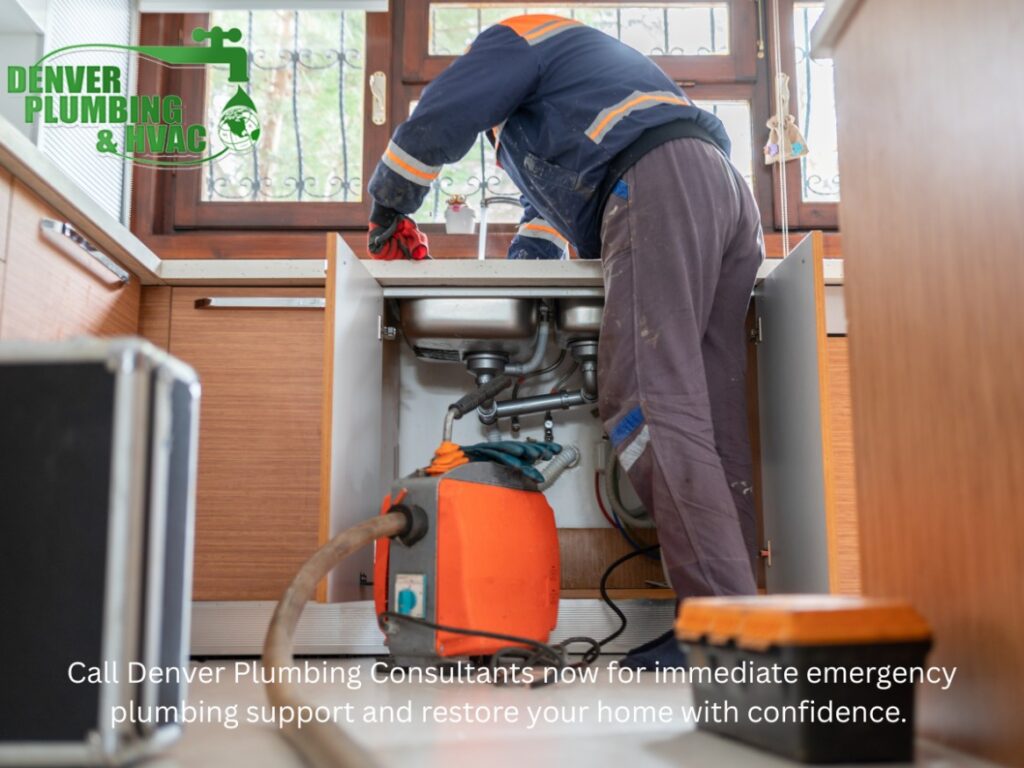
Call Denver Plumbing Consultants now for immediate emergency plumbing support and restore your home with confidence.

