About Denver Plumbing & HVAC

This author has not yet filled in any details.
So far Denver Plumbing & HVAC has created 87 blog entries.

How to Winterize Pipes Denver CO Homeowners Should Know Before Freeze Season

Denver winters can arrive fast, and when temperatures drop suddenly, plumbing systems are often the first to suffer. Frozen pipes are one of the most common and expensive winter home emergencies in Colorado. The good news is that a few simple preventative steps can protect your plumbing and your home. If you want to avoid costly damage and emergency calls, learning how to properly winterize pipes Denver CO homes rely on is one of the smartest things you can do before freeze season begins. 
plumbing in Denver


Why Denver’s Cold Weather Puts Plumbing at Risk  

Denver’s climate creates the perfect conditions for frozen pipes because temperatures can drop sharply overnight. Pipes in unheated areas like garages, crawlspaces, and exterior walls are especially vulnerable. When water freezes inside a pipe, it expands and increases pressure, which can cause the pipe to burst. Preventative winter preparation significantly lowers the risk of needing frozen pipe repair Denver Colorado homeowners often face during severe cold snaps. 

Denver also experiences rapid weather shifts, where daytime temperatures may rise above freezing before dropping again overnight. These repeated freeze-thaw cycles place additional stress on plumbing systems, making proper winter preparation even more important. Homes located at higher elevations around the Denver area may experience even colder overnight temperatures, increasing the likelihood of frozen pipes if plumbing is not properly protected. 

Insulate Pipes in Vulnerable Areas Before Temperatures Drop 

One of the most effective ways to winterize pipes Denver CO homes depend on is by adding insulation to exposed pipes. Foam pipe sleeves, fiberglass wrap, or heat tape can protect pipes in basements, crawlspaces, and garages. Even small sections of exposed piping can freeze if temperatures stay below freezing long enough. Proper insulation helps maintain stable water temperature and reduces the risk of sudden pipe bursts. 

Not sure which pipes in your home need insulation? A professional plumbing inspection can quickly identify vulnerable areas. 

This proactive step is especially helpful for older homes in Denver where plumbing may not have been originally designed to handle extended freezing temperatures. Adding insulation is an affordable improvement that can make a significant difference in protecting plumbing during prolonged cold spells. 

Disconnect and Drain Outdoor Hoses 

Outdoor faucets are one of the most common causes of winter plumbing damage. If hoses remain attached, water can become trapped inside the faucet line and freeze overnight. When that water expands, it can crack the pipe inside the wall before you even notice a problem. Disconnecting hoses and draining outdoor spigots is a simple step that can prevent a costly repair later. 

Homeowners should also check that outdoor shutoff valves are fully closed to stop water from remaining in exterior plumbing lines during freezing weather. Taking a few minutes to inspect outdoor plumbing before winter arrives can prevent hidden leaks and unexpected pipe damage. 

Check Pipe Insulation in Basements and Garages 

Basements and garages often contain long stretches of plumbing that may not have been insulated during construction. Even though these areas are partially enclosed, temperatures can still drop low enough to freeze pipes. Inspect insulation around exposed plumbing and replace any damaged or missing sections. Taking time to evaluate these spaces helps homeowners winterize pipes Denver CO properties rely on before winter fully sets in. 

Adding extra insulation in these spaces can create a buffer against sudden temperature drops during overnight cold snaps. Homeowners should also make sure garage doors remain closed during freezing weather to help keep temperatures around exposed pipes more stable. 

Seal Air Leaks Near Plumbing Lines  

Cold air entering through gaps in walls, crawlspaces, or foundation areas can rapidly drop temperatures around plumbing lines. Small cracks or poorly sealed openings near pipes allow freezing air to circulate directly against them. Using spray foam, caulk, or insulation board to seal these areas keeps warmer indoor air around your pipes. This small step can significantly reduce the risk of winter pipe damage. 

Properly sealing these gaps can also improve overall home insulation and help maintain consistent indoor temperatures during winter. In addition, sealing air leaks can help reduce heating costs by preventing warm indoor air from escaping through small openings. 

Prepare Your Water Heater for Winter Demand 

Winter places extra strain on water heaters as households use more hot water for showers, laundry, and cleaning. Flushing sediment from the tank helps the system operate efficiently during colder months. Checking the temperature setting and inspecting the pressure relief valve also ensures safe performance. A well-maintained water heater helps your plumbing system handle Denver’s winter workload more effectively. 

Regular maintenance before winter can also help identify early signs of wear, allowing homeowners to address small issues before they turn into costly repairs. This preparation also helps ensure a consistent supply of hot water during the colder months when demand is typically at its highest. 

Know the Early Warning Signs of Frozen Pipes 

Even with proper preparation, extreme cold can sometimes cause pipes to freeze. Early warning signs include reduced water flow, unusual noises in pipes, or frost forming on exposed plumbing. If you notice these symptoms, acting quickly can prevent the pipe from bursting. Addressing the issue early may eliminate the need for major frozen pipe repair Denver Colorado homeowners sometimes face during harsh winter storms. 

Paying attention to these warning signs allows homeowners to take quick action and potentially avoid serious water damage. If you notice any signs of freezing, slightly opening faucets can help relieve pressure while waiting for professional assistance. 
 

Plumbing contractors near Denver

Schedule a Professional Winter Plumbing Inspection 

While many winterizing steps can be handled by homeowners, a professional inspection offers a deeper level of protection. Licensed plumbers can identify hidden vulnerabilities, aging pipes, or insulation gaps that may go unnoticed. A seasonal plumbing checkup helps ensure your entire system is ready for freezing temperatures. Professional guidance also ensures your home is fully prepared to winterize pipes Denver CO homeowners depend on during the coldest months. 

A professional inspection can also provide homeowners with personalized recommendations based on the age, layout, and condition of their plumbing system.  

FAQs 

Question: When should homeowners in Denver winterize their plumbing? 

Answer: Most homeowners should begin winterizing their plumbing in early fall, typically between September and October. Preparing before the first hard freeze ensures pipes remain protected throughout the winter season. 

Question: What temperature causes pipes to freeze in Denver? 

Answer: Pipes typically begin to freeze when temperatures drop below 32°F, but uninsulated pipes can freeze faster in areas with wind exposure or poor insulation. 

Question: Can frozen pipes thaw on their own? 

Answer: Sometimes pipes will thaw naturally when temperatures rise, but waiting can be risky. Pressure buildup inside the pipe may still cause it to burst, leading to expensive water damage. 

Question: What areas of a home are most vulnerable to frozen pipes? 

Answer: Pipes located in crawlspaces, basements, garages, attics, and exterior walls are most at risk. These areas often lack sufficient insulation or heating. 

Question: Should I call a plumber if I suspect a frozen pipe? 

Answer: Yes. If you suspect a frozen pipe or notice reduced water flow, contacting a plumber immediately can prevent serious damage and avoid a full pipe burst. 

Don’t Wait for a Frozen Pipe — Schedule Your Winter Plumbing Inspection Today with Denver Plumbing Consultants  

Preventing frozen pipes is far easier and far less expensive than repairing burst plumbing after the damage is done. The experienced team at Denver Plumbing Consultants helps homeowners prepare their plumbing systems for Colorado’s harsh winters with professional inspections, insulation solutions, and preventative maintenance. Their experts can also identify vulnerable areas and recommend the best ways to winterize pipes Denver CO homes rely on before freezing temperatures arrive. 

If you want peace of mind this winter, now is the perfect time to act. Preparing your plumbing system before temperatures drop can help reduce the risk of frozen pipes, water damage, and costly emergency repairs. 

Call Denver Plumbing Consultants today to schedule your winter plumbing inspection and protect your home before the next deep freeze hits. 
By | March 17th, 2026|Plumbing|Comments Off on How to Winterize Pipes Denver CO Homeowners Should Know Before Freeze Season

Why Denver’s Hard Water Is Destroying Your Pipes (And How to Fix It)

Denver homeowners often focus on appliances or fixtures when plumbing problems appear, but the real culprit may be hidden in the water itself. Hard water common throughout Colorado contains high levels of minerals that slowly accumulate inside your plumbing system. Over time, these deposits can restrict water flow, damage pipes, and increase the likelihood of costly repairs. Understanding how hard water plumbing Denver issues develop can help homeowners protect their pipes before serious damage occurs.  

plumbing Denver

Understanding Why Denver Has Hard Water  

Denver’s water supply naturally contains higher concentrations of minerals like calcium and magnesium. These minerals are picked up as water travels through limestone and other underground rock formations before reaching your home. While the water remains safe to drink, the mineral content creates long-term stress on plumbing systems. 

Many homeowners are unaware that these minerals can quietly affect plumbing performance for years. The buildup becomes a major contributor to hard water plumbing challenges affecting thousands of households. Regularly monitoring water hardness can help you identify problems before they escalate, and simple home tests can give a good indication of your water’s mineral content. 

Hard Water Scale Inside Pipes 

Hard water minerals gradually form a chalky substance called scale that sticks to the interior walls of plumbing pipes. This buildup slowly thickens, narrowing the space where water can flow and increasing pressure inside the system. Even small layers of mineral scale can create major efficiency issues over time. 

As the scale continues to accumulate, pipes may struggle to deliver consistent water flow to multiple fixtures at once. In addition, appliances that rely on water flow, such as dishwashers or washing machines, may also show decreased efficiency when scale is present. If left untreated, this buildup can eventually restrict pipes enough to cause long-term plumbing damage. 

Curious how hard water affects your home’s plumbing system? Take a moment to evaluate your water quality and see what’s happening behind the walls. 

Reduced Water Pressure Throughout the Home  

One of the earliest warning signs of mineral buildup is a noticeable drop in water pressure. As scale accumulates inside pipes, it limits the amount of water that can move through the plumbing system. Homeowners may notice weaker showers, slow-filling sinks, or inconsistent water flow in multiple fixtures. 

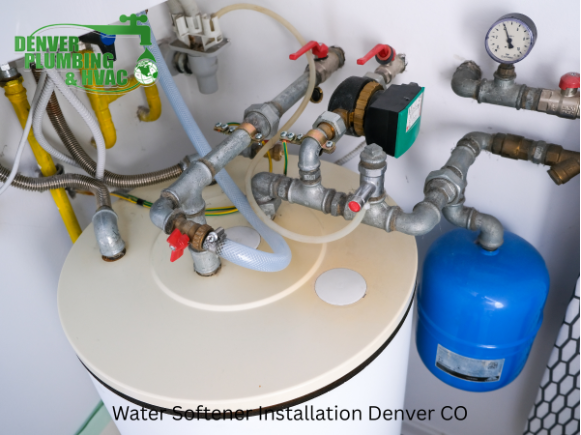
Over time, reduced pressure can make everyday household tasks less efficient and more frustrating. Many homeowners address these issues by exploring water softener installation Denver CO, which can prevent further mineral buildup and restore consistent water flow. Addressing water pressure issues early can save money on repairs and prevent more extensive pipe damage in the future. These symptoms often point to hidden mineral deposits quietly building up inside the pipes.  

Pipe Corrosion and Hidden Leaks: Hard Water Plumbing Denver Concerns  

Hard water does not only cause scale. It can also accelerate pipe corrosion. Mineral deposits trap moisture against the pipe surface, which can gradually weaken the metal or protective coatings. 

Small areas of corrosion can expand over time and create weak points along the pipe. Even small leaks can increase water bills and cause hidden water damage to walls or floors if not detected early. This process may eventually lead to tiny leaks that remain hidden inside walls or under flooring until noticeable damage occurs. This is another common factor in Denver’s hard water plumbing problems that require professional intervention.  

Long-Term Plumbing Damage You Can’t See  

The most concerning part of hard water damage is that it happens slowly and out of sight. Mineral buildup can affect entire plumbing networks long before homeowners notice a visible problem. 

Over several years, scale can reduce water heater efficiency, increase energy usage, and shorten the lifespan of major appliances. Ignoring these issues can also reduce the effectiveness of cleaning products, leaving soap scum and stains on surfaces. Addressing hard water plumbing Denver conditions early can prevent expensive pipe replacements and unexpected repairs later.  

Signs Your Pipes Are Experiencing Mineral Buildup  

Many homeowners don’t realize their plumbing system is struggling until clear warning signs appear. White residue around faucets, cloudy dishes, stiff laundry, and frequent appliance maintenance can all point to excessive mineral content in the water. 

You may also notice faucets clogging, showerheads developing crusty deposits, or fixtures needing more frequent cleaning. Recognizing these signals early can help prevent deeper plumbing damage. 

Noticing these symptoms in your home? It might be time to take a closer look at your water quality. 


plumbing services Denver

Why Professional Water Testing Matters 

A professional water analysis provides valuable insight into the mineral content affecting your home’s plumbing system. Experts can measure hardness levels and determine how aggressively minerals may be impacting your pipes. 

Water testing can also reveal other hidden contaminants that may influence plumbing performance. This information allows homeowners to make informed decisions about treatment options and preventative upgrades. For many properties, a proper solution begins with addressing hard water plumbing Denver conditions through targeted treatment systems. 

Whole-Home Water Treatment Solutions  

One of the most effective ways to stop mineral damage is installing a whole-home water softening system. A properly designed system removes excess minerals before water enters your pipes, protecting plumbing, fixtures, and appliances throughout the home. 

Many homeowners explore water softener installation Denver CO options after discovering long-term hard water damage risks. These systems not only preserve plumbing infrastructure but also improve water quality, efficiency, and appliance longevity. In addition, softened water can help reduce soap residue and make cleaning easier throughout the home. 

If you’re concerned about scale buildup or declining water pressure, now is the time to take action. Professional water treatment specialists can evaluate your plumbing system and recommend the right solution for your home. Protect your pipes and appliances today by scheduling a professional consultation. 

FAQs About Hard Water and Plumbing in Denver  

Question: What causes hard water in Denver homes? 

Answer: Hard water in Denver is primarily caused by natural mineral deposits like calcium and magnesium found in local groundwater sources. As water travels through underground rock formations, it absorbs these minerals before reaching residential plumbing systems. 

Question: How does hard water damage plumbing pipes? 

Answer: Hard water leaves behind mineral scale inside pipes. Over time, this buildup restricts water flow, increases pressure inside plumbing systems, and may contribute to corrosion or structural damage. 

Question: Can hard water affect appliances as well? 

Answer: Yes. Hard water commonly damages water heaters, dishwashers, washing machines, and other appliances that rely on consistent water flow. Mineral buildup can reduce efficiency and shorten appliance lifespan. 

Question: Is installing a water softener worth it in Denver? 

Answer: For many homeowners, yes. A professionally installed system can significantly reduce mineral buildup and protect plumbing systems from long-term damage. Many residents choose water softener installation Denver CO to improve water quality and extend the life of their plumbing infrastructure. 

Question: What are the early signs of hard water problems?     

Answer: Common indicators include low water pressure, white residue on fixtures, dry skin after showers, cloudy dishes, and frequent appliance maintenance.  

Stop Hard Water Damage Before It Gets Worse: Schedule Service with Denver Plumbing Consultants Today 

Hard water damage doesn’t happen overnight, but ignoring it can lead to serious plumbing issues over time. The experienced team at Denver Plumbing Consultants specializes in identifying mineral buildup and providing reliable solutions for hard water plumbing Denver problems that protect your pipes and appliances. If you suspect hard water is affecting your home, schedule an inspection today and explore professional water softener installation in Denver CO options designed for long-term protection. Don’t wait until mineral buildup causes expensive pipe repairs—take the first step toward healthier plumbing today. 

By | March 17th, 2026|Plumbing, plumbing repair|Comments Off on Why Denver’s Hard Water Is Destroying Your Pipes (And How to Fix It)

Colorado’s 2026 NOx and Emissions Rules: What They Mean for Your Water Heater Options

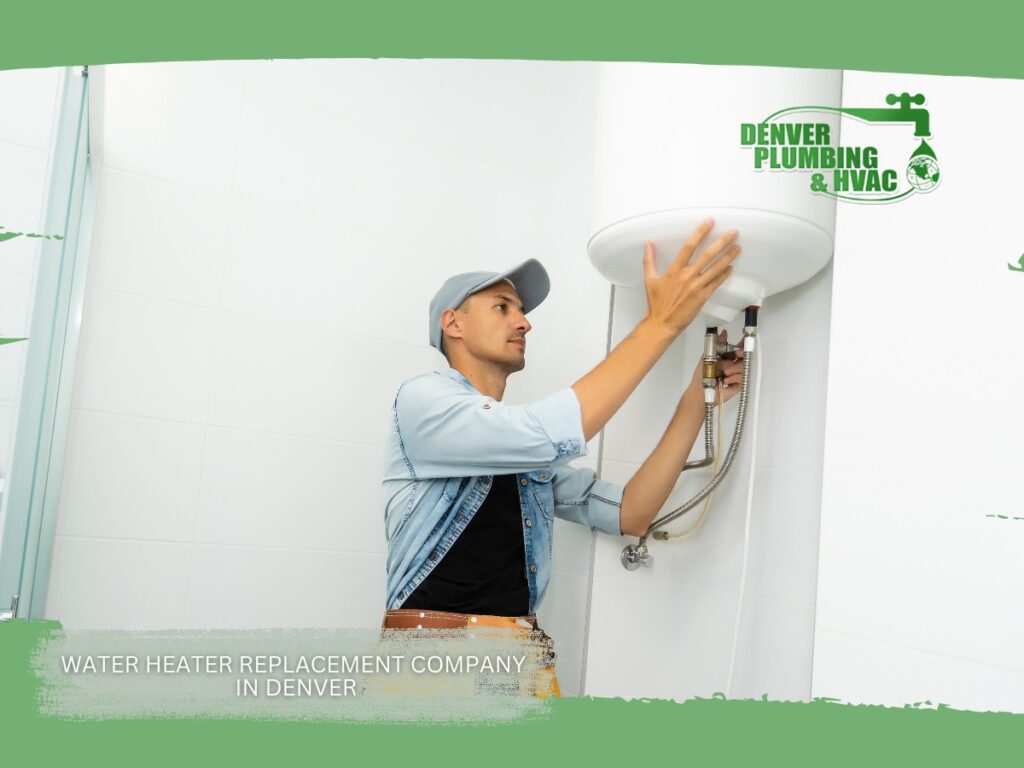
Colorado homeowners are stepping into a new era of energy responsibility. With the 2026 Ultra-Low NOx emissions standards now in effect, the way you choose and install a gas water heater has changed, especially along the Front Range. If you’re planning a replacement this year, it’s not just about hot showers anymore. It’s about efficiency, environmental impact, long-term savings, and working with a knowledgeable water heater replacement company in Denver that understands the updated rules.

These changes may feel overwhelming at first, but they also open the door to better-performing and cleaner technology for today’s homes.

Below, we break down what these regulations mean for you, what options are available, and how to make a confident, future-ready decision for your home.

water heater replacement Denver

Understanding Colorado’s 2026 Ultra-Low NOx Standards

Nitrogen oxides (NOx) are pollutants created when natural gas burns at high temperatures. Colorado’s updated 2026 regulations significantly lower the allowable NOx emissions for new residential gas appliances, including water heaters. This means many standard atmospheric gas water heaters that were previously acceptable can no longer be installed in certain areas. If you’re replacing a unit, your new system must meet Ultra-Low NOx certification requirements.

These standards are part of a statewide initiative to reduce ozone pollution and improve air quality, particularly in the Denver Metro and North Front Range regions. For homeowners, it narrows product selection, but it also pushes the market toward cleaner, smarter technology. Over time, this shift benefits both households and the communities around them.

How Ultra-Low NOx Impacts Gas Water Heater Choices

The biggest change is that not all gas water heaters are created equal anymore. Many traditional models that rely on standard burners have been phased out in favor of models with advanced combustion systems that emit fewer pollutants. Ultra-Low NOx water heaters use specialized burner designs and flame arrestor technology to reduce emissions while maintaining performance.

For homeowners, this means you’ll likely choose between compliant tank-style units or modern tankless systems designed to meet strict emissions thresholds. Working with a trusted water heater replacement company in Denver ensures you don’t accidentally purchase a non-compliant unit that cannot legally be installed.

Not sure if your current system meets the new standards? A brief professional evaluation can save time, money, and installation delays.

Efficiency Expectations Under the New Rules

While the regulations focus on emissions, they naturally push manufacturers toward higher efficiency designs. Most Ultra-Low NOx models offer improved Energy Factor (EF) or Uniform Energy Factor (UEF) ratings compared to older atmospheric units. In many cases, sealed combustion or power-vent systems are required, which improves both safety and performance.

Homeowners should expect better fuel utilization, more consistent hot water output, and reduced long-term energy waste. It’s a subtle but meaningful shift: cleaner air and smarter energy use go hand in hand. And yes, this often translates to lower monthly utility bills over time.

What This Means for Installation Costs in 2026

Let’s talk numbers, because that’s where many homeowners feel the impact first. Ultra-Low NOx compliant systems often cost more upfront than older models due to advanced burner technology and updated venting requirements. In some cases, installation may require modifications to venting systems or gas lines.

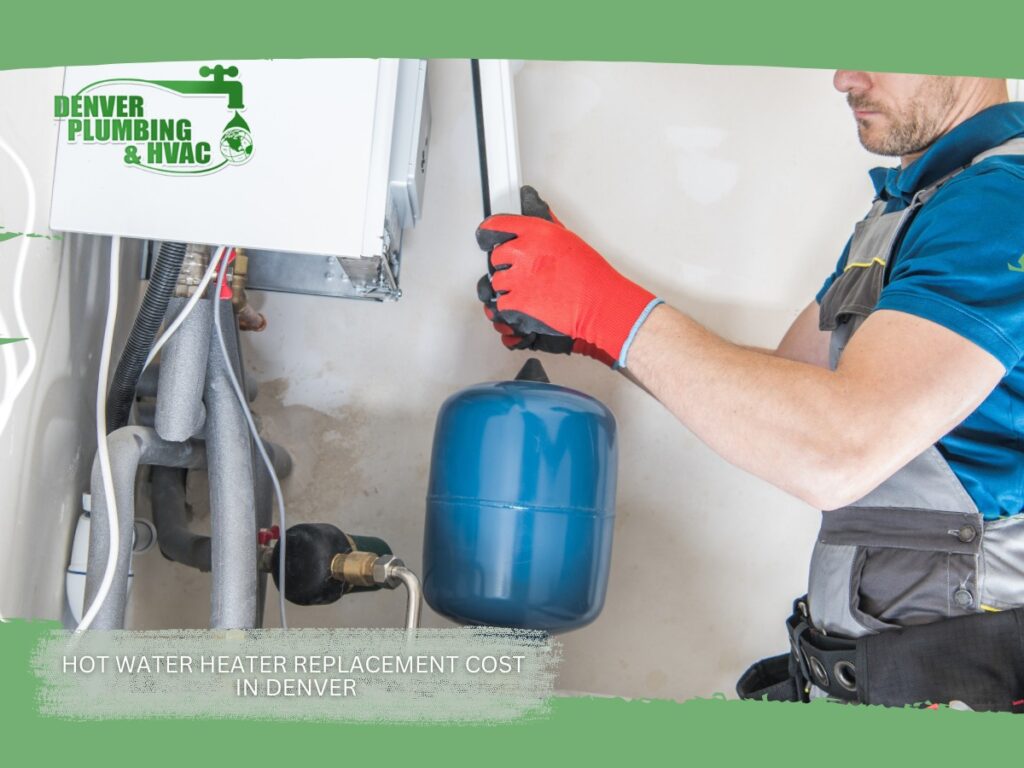
However, these added costs can be offset by rebates, improved efficiency savings, and longer system lifespans. Over the life of the unit, many homeowners find the investment balances out. A knowledgeable water heater replacement company will walk you through the hot water heater replacement cost in Denver, explaining the total cost of ownership rather than focusing only on the sticker price.

Curious what a compliant system would cost for your specific home? A customized estimate can make the decision much clearer.

Tank vs. Tankless Under Colorado’s Emissions Laws

Both tank and tankless water heaters can meet Ultra-Low NOx standards, but the decision depends on your lifestyle and home layout. Tankless models are often naturally compliant due to their high-efficiency combustion systems and on-demand operation. They also offer endless hot water and reduced standby energy loss, making them a luxury-forward choice.

Compliant tank-style heaters, on the other hand, provide lower upfront costs and simpler retrofits for many homes. They remain a practical solution for families who want reliability without major system changes. The key is ensuring whichever system you choose is certified for installation in regulated Colorado counties. This is where partnering with a professional water heater replacement company becomes essential.

Why Professional Guidance from a Water Heater Replacement Company in Denver Matters More Than Ever

With tighter regulations, replacing a water heater is no longer a simple swap. Permitting, compliance documentation, and proper venting design all play critical roles in ensuring your installation passes inspection. A licensed installer understands which models meet 2026 state requirements and how to configure them correctly for your home.

This isn’t the year for guesswork or big-box impulse purchases. A strategic installation ensures your system runs efficiently, safely, and legally for years to come. Choosing the right team protects your investment and your peace of mind.

water replacement company in Denver

Planning Ahead: Future-Proofing Your Home

Colorado’s emissions standards may continue evolving as environmental initiatives expand. Investing in a compliant, high-efficiency water heater now positions your home ahead of future regulatory changes. It also increases resale appeal, as energy-conscious buyers increasingly look for upgraded mechanical systems.

Proactive homeowners are viewing water heater replacement as an opportunity, not an inconvenience. Cleaner technology, improved efficiency, and thoughtful installation can elevate your home’s comfort while aligning with Colorado’s sustainability goals.

Your Next Step: Make the Smart, Compliant Upgrade

If your current water heater is nearing the end of its lifespan or if it recently failed, you don’t want to navigate Colorado’s 2026 rules alone. Choosing the wrong unit can delay installation and create unnecessary costs.

Schedule your professional consultation today with a trusted water heater replacement company in Denver and ensure your new system is fully compliant, energy-efficient, and built for long-term performance.

Ultra-Low NOx standards are here to stay. The good news is that you have exceptional options. From advanced tank systems to high-performance tankless units, today’s compliant water heaters are cleaner, quieter, and more efficient than ever before.

Don’t wait for a breakdown. Upgrade proactively and secure reliable, high-efficiency hot water that meets Colorado’s 2026 emissions standards. Book your installation estimate now.

Ready for a Compliant Upgrade? Contact Denver Plumbing Consultants Today

When it’s time for a seamless, regulation-compliant installation, trust the experts at Denver Plumbing Consultants. As a leading water heater replacement company in Denver, they understand Colorado’s Ultra-Low NOx requirements inside and out. Their team provides tailored recommendations, transparent pricing, and precision installation to ensure your home meets 2026 standards with confidence.

Call Denver Plumbing Consultants now to schedule your water heater upgrade and experience compliant, energy-smart comfort done right.

By | February 20th, 2026|Plumbing|Comments Off on Colorado’s 2026 NOx and Emissions Rules: What They Mean for Your Water Heater Options

What To Do If Your Pipes Freeze While You’re at Work

There are few homeowner moments more unsettling than realizing your pipes may have frozen while you were away. In Denver, where winter temperatures swing dramatically and freeze-thaw cycles are common, this is not rare. It is seasonal reality. The good news? A frozen pipe does not automatically mean a burst pipe. With the right steps taken quickly and calmly, you can prevent thousands of dollars in damage and restore your plumbing safely, or know when it’s time to contact an emergency plumber near me in Denver before the situation escalates. 

Whether you live in a historic Wash Park home or a newer build in Cherry Creek, knowing exactly what to do next protects your investment and your peace of mind. Let’s walk through it step by step.   

emergency plumber near me in Denver

How to Tell If Your Pipes Froze While You Were Away 

You may not see ice, but the signs are clear. Turn on a faucet and notice little to no water flow, especially from exterior walls, kitchen sinks, or basement lines. You might also see frost on exposed pipes, bulging sections, or hear strange banging when you attempt to run water. 

If this happens, pause. Don’t panic. Acting methodically in the first 10–15 minutes makes all the difference. Before you do anything else, continue reading to ensure you respond safely and strategically. 

Shut Off the Main Water Supply Immediately 

If you suspect freezing, your first move is to shut off the main water valve. This prevents a cracked pipe from turning into a full-scale flood once thawing begins. In most Denver homes, the main shutoff is located in the basement, crawlspace, or near the water meter. 

Turn the valve clockwise until it stops. If you’re unsure where it is, now is the time to locate it. Every homeowner should know this before an emergency happens. Not sure where yours is? Bookmark this page for quick access later. 

This single step can prevent extensive structural damage and costly restoration. 

Open Faucets to Relieve Pressure 

Once the main water supply is off, open all faucets connected to the suspected frozen line. Start with the faucet closest to the frozen area and work outward. This allows pressure to release and gives melting ice somewhere to drain safely. 

Opening both hot and cold handles is essential. Even if only one side seems affected, pressure can build in unexpected places. Leaving faucets open during thawing reduces the risk of pipe rupture and helps you monitor progress as water begins to flow again. 

What NOT to Do When Thawing Frozen Pipes 

This is where many homeowners unintentionally cause more damage. Do not use open flames, propane torches, or space heaters directly on pipes. Fire risk and pipe damage increase dramatically with these methods. 

Hair dryers may seem harmless, but they can overload circuits in damp environments and pose electrical hazards. Never use boiling water directly on frozen pipes. It can cause thermal shock and cracking. 

When in doubt, avoid DIY heat sources and consult a professional. Searching for an emergency plumbing services near Denver quickly connects you with trained experts who use controlled, safe thawing equipment.  

Safe Ways to Begin Controlled Thawing 

If the pipe is visible and accessible, you may gently apply warm (not hot) air using a regulated heat source such as a heating pad, UL-listed heat tape, or warm towels replaced frequently. Always start thawing near the faucet and work backward toward the frozen section. 

Never apply heat to enclosed wall cavities without professional guidance. Hidden frozen pipes inside drywall require specialized detection and thawing methods. If you cannot locate the frozen section within minutes, it’s time to escalate responsibly. 

When to Call an Emergency Plumber Near Me in Denver  

If you see cracks, bulging pipes, active leaks, or cannot restore water flow safely, contact an emergency plumber near me in Denver immediately. Time matters. Even a hairline fracture can release gallons of water once thawing completes. 

Professional plumbers use infrared detection, controlled heating equipment, and pressure testing to ensure your system is secure. More importantly, they inspect for secondary damage that homeowners often miss. 

If you suspect a burst pipe or see water pooling, call Denver Plumbing Consultants immediately for rapid-response emergency service. Waiting even one hour can increase repair costs significantly.  

After the Freeze: Inspect and Protect Your Home  

Once water flow returns, turn the main supply back on slowly. Check all exposed pipes for leaks, drips, or unusual sounds. Monitor ceilings and walls for moisture over the next 24 hours. 

This is also the moment to improve insulation around vulnerable areas. Garage walls, crawlspaces, attic lines, and exterior plumbing are common trouble spots. Prevention now saves stress later. Want a proactive winter plumbing inspection? Schedule one before the next cold snap hits. 

Denver’s elevation and climate fluctuations make seasonal plumbing care essential, especially in luxury or custom-built homes where water systems are more complex. 

Why Frozen Pipes Are So Common in Denver 

Denver winters are unique. One day may sit below 15°F, followed by sun-driven warmth that accelerates thawing. These rapid transitions stress pipe materials, especially in older properties with copper or galvanized steel lines. 

When freezing occurs while you’re at work, it often happens during sudden overnight drops. Insufficient insulation, draft exposure, and garage plumbing are the most frequent culprits. Homeowners searching for an emergency plumber during these cold spells spike dramatically because the issue escalates fast.   

The Real Risk: Burst Pipes After Thawing  

Here’s what surprises most homeowners. Pipes often burst after ice melts. As frozen water expands, it creates internal fractures. Once pressure returns, those weakened areas give way. 

This is why shutting off the main water supply is critical. It prevents pressurized water from flooding your home the moment thawing completes. If you notice discoloration, hairline splits, or even a faint drip, contact an emergency plumber near me in Denver before turning water fully back on. 

plumbers in Denver

Protecting Your Home Before the Next Freeze 

While emergencies demand immediate attention, long-term protection is just as important. Consider insulating exposed pipes with foam sleeves, sealing drafts around foundation walls, and maintaining consistent interior temperatures, even when away. 

Smart leak detection systems are also gaining popularity among Denver homeowners. These devices automatically shut off water if abnormal flow is detected. For luxury residences and high-value properties, this technology adds a layer of proactive protection. 

If you travel frequently or own a second home, professional winterization services offer peace of mind. Preventative action always costs less than emergency restoration. 

Stay Calm. Act Fast. Call Professionals When Needed. 

Frozen pipes are stressful—but manageable when handled correctly. The key principles are simple: 

  • Shut off water immediately 
  • Open faucets to relieve pressure 
  • Avoid dangerous heat sources 
  • Call experts when damage is suspected 

Every minute counts in freezing conditions. Searching for an emergency plumber in Denver connects you with licensed professionals trained to mitigate risk quickly and efficiently.  

Need Immediate Help? Call Denver Plumbing Consultants Now 

If your pipes froze while you were at work, don’t take chances with your home’s safety. When homeowners search for an emergency plumber near me in Denver, Denver Plumbing Consultants provides rapid-response emergency service, advanced pipe thawing solutions, and full-system inspections to protect your property from costly water damage. 

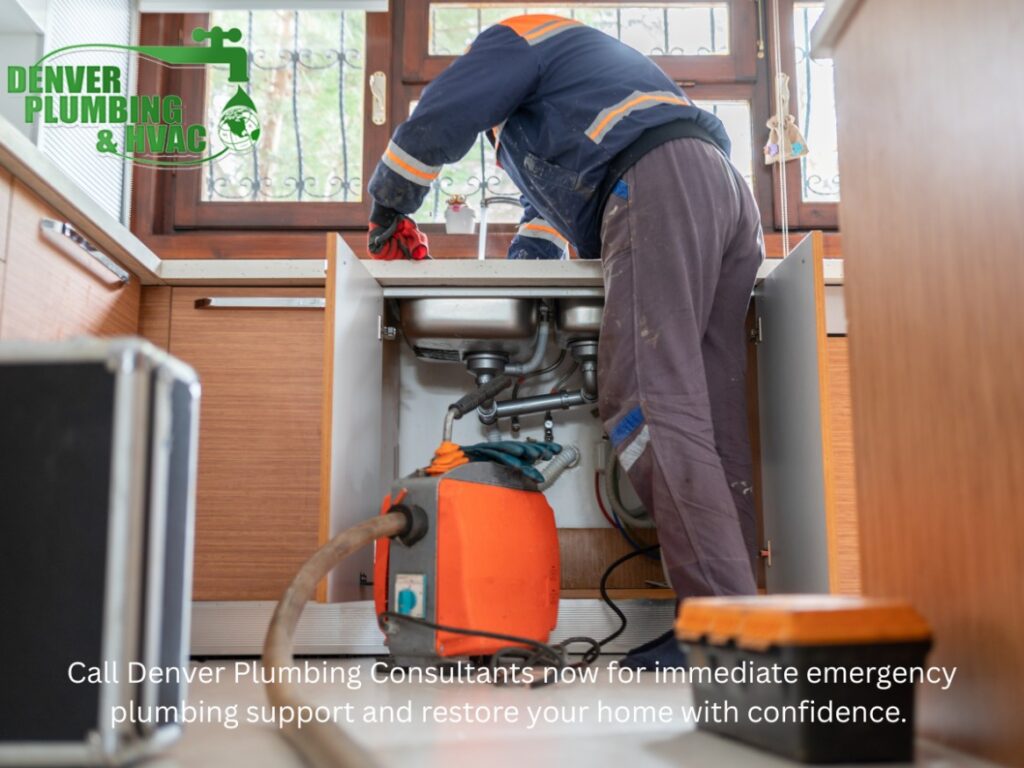
Call Denver Plumbing Consultants now for immediate emergency plumbing support and restore your home with confidence. 

By | February 20th, 2026|Plumbing|Comments Off on What To Do If Your Pipes Freeze While You’re at Work

Plumbing Repair Services in Denver Are Changing and Homeowners Should Pay Attention

If you have scheduled a plumbing repair in the past year, you may have noticed that the experience feels different from what you remember. Homeowners across the metro area are seeing changes in how companies communicate, diagnose problems, and recommend solutions. Expectations around professionalism, transparency, and long-term value continue to rise as Denver homes and lifestyles evolve. 

These shifts have led more people to actively seek plumbing repair services in Denver that offer clear explanations, reliable timelines, and solutions designed to last. Instead of focusing only on speed, homeowners now prioritize accuracy, trust, and preventative thinking. This blog explains what is driving these changes, how they affect your home, and what you should know to make confident decisions when plumbing issues arise. 

plumbing repair company Denver

The Factors Driving Change in Denver Plumbing Repairs 

Denver’s housing market plays a major role in reshaping plumbing repair needs. Many neighborhoods feature older homes with aging pipes that were not designed for modern water usage, appliances, or occupancy levels. As these systems wear down, repairs require a more thoughtful approach than quick fixes that only address surface issues. 

Climate also influences plumbing conditions. Freeze-thaw cycles place repeated stress on pipes, fittings, and joints throughout the year. Seasonal demand increases strain on plumbing systems, especially during winter months when hot water usage rises. Rising labor and material costs further encourage repair strategies that focus on durability rather than temporary relief. Together, these factors push plumbing professionals toward long-term solutions that protect homeowners from repeat problems. 

What Modern Homeowners Expect From Plumbing Repair Services 

Homeowners now expect more than a basic repair. Clear communication matters from the first conversation through project completion. You want to understand what is wrong, how it will be fixed, and why a specific solution makes sense for your home and usage patterns. 

Accurate diagnostics help reduce guesswork and unnecessary work. Respect for your home also matters, from clean work areas to careful handling of fixtures and finishes. Trust has become just as important as speed, especially when repairs affect daily routines, work schedules, and household comfort. Reliable service now means consistency, professionalism, and accountability. 

How Technology Is Reshaping Plumbing Repairs In Denver 

Technology has transformed how plumbing issues are identified and resolved. Digital leak detection tools allow plumbers to locate problems without invasive procedures that damage walls or flooring. Camera inspections provide a clear view inside pipes, helping technicians pinpoint damage and recommend precise repairs. 

These tools improve accuracy and reduce unnecessary work, which benefits homeowners searching for dependable plumbing repair services near me. Faster diagnostics also mean repairs can be completed more efficiently, saving time and limiting disruption to your home. Technology supports smarter decisions and better long-term outcomes for both homeowners and service providers. 

Preventive Plumbing Maintenance Is Becoming The New Standard 

Plumbing care is shifting away from reactive service calls toward preventive maintenance. Routine inspections identify small issues before they escalate into costly repairs or water damage. This approach resonates with Denver homeowners who understand how extreme weather can worsen minor plumbing concerns quickly. 

Preventive maintenance helps control costs over time and improves system reliability. Homeowners who prioritize early detection often avoid emergency repairs and repeated service calls. Many people now choose maintenance plans after searching for plumbing repair services near me that focus on long-term system health rather than short-term fixes. This proactive mindset supports peace of mind and predictable home maintenance planning. 

Transparency And Education Matter More Than Ever 

Today’s homeowners want to be informed participants in the repair process. Clear estimates and honest recommendations help build confidence and trust. When plumbers explain the reasoning behind repair options, you can make decisions that align with your budget, priorities, and long-term goals. 

Education empowers homeowners to recognize early warning signs and maintain their plumbing systems effectively between service visits. This level of transparency sets professional plumbing companies apart in an increasingly competitive market. Knowledge also reduces stress, making repairs feel manageable rather than overwhelming. 

Sustainability And Efficiency Are Influencing Repair Decisions 

Water conservation remains an important topic in Denver. Plumbing repairs increasingly incorporate efficient fixtures and system upgrades that reduce waste and improve performance. These improvements support long-term efficiency instead of short-term relief that leads to repeated issues. 

Sustainable repair choices also align with modern expectations for responsible homeownership. Efficient systems reduce strain on municipal infrastructure and help homeowners manage utility costs while maintaining comfort. Long-term efficiency benefits both the household and the broader Denver community. 

How Denver’s Lifestyle Influences Plumbing Repair Needs 

Lifestyle changes affect plumbing demand in noticeable ways. Work-from-home schedules increase daytime water usage, placing additional strain on plumbing systems that were once idle during business hours. Multi-generational households also raise overall demand on pipes, drains, and fixtures. 

Seasonal routines add further stress. Winter increases hot water usage, while spring runoff and soil movement can impact underground plumbing. Understanding these patterns helps plumbers recommend solutions that fit your daily life and protect system performance year-round. 

Choosing The Right Plumbing Repair Services in Denver 

Selecting a service provider requires more than a quick search. Experience with local housing styles and neighborhood infrastructure makes a difference in repair accuracy. Professional standards influence repair quality, from licensing and training to communication practices and follow-through. 

Homeowners who take time to evaluate options avoid rushed decisions and repeated repairs. Choosing plumbing repair services in Denver that prioritize accuracy, transparency, and long-term value helps protect both your home and your investment. Many homeowners refine their decision after comparing options labeled as plumbing repair services near me, focusing on proven reliability rather than convenience alone. 

Why Local Plumbing Repair Services in Denver Makes A Difference 

Local knowledge shapes better repair outcomes. Denver-specific plumbing challenges require solutions adapted to climate conditions, housing age, and infrastructure variations. Local professionals recognize patterns that outsiders may overlook, such as freeze-related vulnerabilities or soil movement concerns. 

Tailored recommendations account for your home’s unique needs instead of applying generic fixes. Community-based service also builds trust through accountability and long-term relationships with homeowners. Familiarity with local conditions leads to smarter, more durable repairs. 

What These Changes Mean for Denver Homeowners 

Plumbing repairs in Denver reflect broader changes in housing, climate, and homeowner expectations. Modern service emphasizes prevention, transparency, and efficiency over temporary fixes. Homeowners benefit from informed decisions, proactive maintenance, and professional guidance. Approaching plumbing care as part of overall home maintenance reduces stress and unexpected costs. With the right partner, you can navigate these changes confidently and protect your home for years to come. 

A Smarter Way to Care for Your Home’s Plumbing 

We help homeowners adapt to modern plumbing needs with thoughtful inspections, clear recommendations, and dependable solutions. At Denver Plumbing Consultants, we deliver plumbing repair services in Denver designed for long-term reliability and everyday comfort. Schedule an inspection or consultation with us today and experience a smarter approach to plumbing care. 

By | January 19th, 2026|plumbing repair|Comments Off on Plumbing Repair Services in Denver Are Changing and Homeowners Should Pay Attention

The Hidden Impact of Hard Water on Denver Homes and Water Heater Performance

Many Denver homeowners wake up one winter morning to lukewarm showers, strange noises from the utility room, or rising energy bills without realizing a hidden issue has been building for years. Hard water, which contains elevated levels of minerals, affects a large number of homes throughout the Denver metro area. Because its damage happens gradually, most people do not connect it to water heater trouble until the system starts to fail. 

Hard water often works quietly inside the tank, slowly reducing efficiency and stressing internal components. When performance drops suddenly, homeowners are frequently surprised to find themselves calling a water heater repair company in Denver without any warning signs they recognized earlier. Understanding how hard water impacts water heaters helps homeowners protect their systems, avoid costly breakdowns, and extend equipment lifespan. This guide explains what hard water is, why it is common in Denver, and how proactive care can prevent unnecessary repairs. 

Understanding Hard Water in Denver 

Hard water forms when groundwater absorbs minerals as it moves through soil and rock. In Denver, the water supply commonly contains calcium and magnesium, which are the primary contributors to water hardness. These minerals are not harmful to drink, but they can cause long-term problems for plumbing systems and appliances. 

Denver’s geography plays a significant role in water hardness. Mountain runoff and mineral-rich aquifers contribute to varying hardness levels across the metro area. Some neighborhoods experience moderately hard water, while others face higher concentrations that accelerate wear inside water heaters. Even homes within the same zip code may see differences depending on supply sources and infrastructure. Because hard water does not look or smell unusual, homeowners often underestimate its impact. The minerals only reveal themselves through residue buildup, scaling, and system inefficiencies that develop slowly over time. 

How Hard Water Affects Water Heaters Over Time 

Inside a water heater, minerals separate from the water as it heats. These minerals settle at the bottom of tank-style units or cling to internal components in tankless systems. Over time, this sediment forms a dense layer that interferes with heat transfer. 

As mineral deposits build up, the water heater must work harder to heat the same amount of water. Heating elements struggle to push heat through layers of scale, which increases energy use and wear. Internal components experience higher stress, and metal surfaces corrode more quickly when sediment traps heat and moisture. 

Both tank and tankless water heaters suffer from these effects. Hard water shortens system lifespan, reduces reliability, and increases the likelihood of repair needs long before homeowners expect them. 

Signs Hard Water Is Damaging Your Water Heater 

Hard water damage often shows up through subtle changes in daily routines. Hot water may run out faster than usual, even when usage habits remain the same. Popping or rumbling noises often come from sediment shifting and overheating at the bottom of the tank. 

Water temperature may fluctuate unexpectedly, making showers uncomfortable. Energy bills often creep upward as the heater compensates for reduced efficiency. Many homeowners also notice that repairs become more frequent, leading to repeated service calls from water heater repair companies in Denver as mineral buildup worsens internal damage. Recognizing these signs early allows homeowners to address the problem before a complete system failure occurs. 

Hard Water and Energy Efficiency in Denver Homes 

Sediment buildup forces water heaters to operate longer and at higher temperatures to achieve desired water output. This extra effort translates directly into higher energy consumption. In Denver, where cold winters increase hot water demand, efficiency losses become especially noticeable. 

Higher utility costs often surprise homeowners who believe their water heater is still functioning properly. Over time, inefficient operation adds significant expenses that could have been avoided with routine maintenance. Hard water also accelerates wear on heating elements, leading to repairs or replacements that further strain household budgets. Energy inefficiency caused by hard water does not just impact monthly bills. It also reduces system longevity, increasing the long-term cost of ownership. 

Why Hard Water Leads to More Water Heater Repairs in Denver 

Mineral scale contributes directly to many common water heater failures. Heating elements fail prematurely when coated with calcium deposits that cause overheating. Corrosion accelerates as sediment traps heat and moisture against metal surfaces. 

Pressure-related issues also develop when sediment reduces available tank space, forcing expanding water to stress internal components. These conditions make hard water damage one of the most frequent causes of service calls handled by a water heater repair company in Denver. Because Denver homes rely heavily on hot water during colder months, minor issues often escalate quickly when systems are under increased demand. 

The Difference Hard Water Makes in Tank vs Tankless Water Heaters 

Tank water heaters store sediment at the bottom of the unit, where it accumulates over time. Without regular flushing, this buildup reduces capacity and efficiency while increasing noise and wear. Tankless systems face a different challenge. Hard water causes scale to form inside the heat exchanger, restricting flow and reducing heat transfer. This buildup can trigger error codes, limit output, and require professional descaling. 

Both systems need maintenance, but tankless units are especially sensitive to mineral content. Professional servicing remains essential in hard water areas to keep either system operating reliably. 

Preventing Hard Water Damage to Your Water Heater 

Routine maintenance plays a critical role in preventing hard water damage. Flushing tank systems removes sediment before it becomes compacted. Tankless systems benefit from periodic descaling that clears mineral buildup from internal components. 

Denver homeowners should schedule water heater maintenance annually, especially in areas with higher hardness levels. Water softeners and filtration systems also reduce mineral content before it enters the heater, extending system life and improving efficiency. Working with experienced water heater repair companies in Denver ensures maintenance is performed correctly and tailored to local water conditions. 

When Hard Water Damage Requires Professional Repair 

DIY maintenance has limits. Once scale damages heating elements, corrodes tanks, or restricts internal flow, professional repair becomes necessary. Warning signs include persistent noise, visible leaks, inconsistent water temperature, and repeated system shutdowns. Ignoring these symptoms increases the risk of sudden failure and water damage. Professional plumbers have the tools and expertise to assess internal conditions safely and recommend effective solutions. Early intervention often prevents more extensive and costly repairs. 

Why Local Expertise Matters for Water Heater Repair in Denver 

Denver’s water conditions, climate, and infrastructure create unique challenges for water heaters. Local professionals understand how mineral content, seasonal demand, and housing age affect system performance. A reliable water heater repair company in Denver brings regional knowledge that improves diagnostics and repair accuracy. Local experience allows plumbers to recommend customized maintenance schedules and system upgrades that suit Denver homes rather than generic solutions. 

Protecting Your Water Heater from Denver’s Hard Water 

Hard water quietly reduces water heater performance, increases energy costs, and shortens system lifespan in Denver homes. Mineral buildup affects efficiency long before homeowners notice obvious problems. Early detection, routine maintenance, and professional care make a measurable difference in system reliability. Addressing hard water issues proactively helps homeowners avoid emergency repairs and unexpected expenses. Taking action before problems escalate ensures consistent hot water and long-term system performance. 

Reliable Care Starts with the Right Team 

We help homeowners stay ahead of hard water damage with professional inspections, maintenance, and repairs designed for Denver homes. As a trusted water heater repair company in Denver, Denver Plumbing Consultants delivers dependable service that protects your system and your comfort. Schedule your water heater inspection or maintenance with our team today and keep your home running efficiently year-round. 

By | January 19th, 2026|heater replacement|Comments Off on The Hidden Impact of Hard Water on Denver Homes and Water Heater Performance

The Hidden Toll of Denver’s Freeze Thaw Cycle on Home Plumbing

It is a frigid Denver morning, and you wake up to a flooded kitchen or a frozen pipe that has burst overnight. The shock is immediate, and the damage begins long before you even reach for a towel. Denver’s winters are notorious for dramatic freeze thaw cycles that push residential plumbing systems to the brink. Temperatures drop well below freezing at night, then suddenly warm up during the day, pushing water inside your pipes to expand and contract in rapid cycles. Older homes feel the strain even more because many still rely on aged plumbing, minimal insulation, and outdated materials that cannot withstand repeated stress. These conditions make it essential to understand how this cycle leads to costly failures and why homeowners often rush to search for plumbing repair near me when trouble strikes. This is also the reason many residents turn to professional guidance from plumbing repair companies in Denver to keep their homes protected before temperatures take a sudden dive.

Understanding Denver’s Freeze Thaw Cycle

Daily temperature swings create a hazardous cycle for household plumbing. When water freezes, it expands with powerful force that pushes outward on the walls of any pipe it occupies. As temperatures rise again, the thawing process begins, and the water contracts. This back-and-forth movement stresses pipes repeatedly until weak points give way.

Denver’s unique climate magnifies this issue. The city’s elevation brings colder nights and warmer daytime temperatures, which means water inside pipes can freeze solid and then thaw within hours. Dry air and high winds make cooling even faster. Older homes, especially those built before modern insulation standards, face higher risks because materials like galvanized steel and aging copper cannot tolerate the expansion that comes with ice formation. Uninsulated PVC also becomes brittle in extreme cold, turning minor pressure changes into major ruptures.

How Freeze Thaw Cycles Cause Pipe Bursts

The process begins when water freezes inside a section of pipe. As ice forms, it expands outward and often creates a blockage. Pressure begins building between the blockage and any closed faucet downstream. The pipe eventually swells to a point where it cracks or splits open.

Galvanized steel pipes are common in many older Denver homes and are especially vulnerable. Copper lines without insulation fare poorly as well, and PEX, while more flexible, still struggles in exposed or unheated areas. The most common failure locations include basements, crawl spaces, attics, exterior walls, garages, and older multi story homes with large runs of exposed plumbing. These areas experience the most dramatic temperature changes.

When a pipe bursts, homeowners often panic and turn immediately to online searches for plumbing repair near me because water damage spreads quickly, especially in multi level homes where leaks can travel through ceilings and walls.

The Role of Aging Plumbing in Burst Pipe Risks

Plumbing does not last forever. Over time, corrosion weakens metal pipes, joints loosen, and materials thin. Older plumbing systems installed decades ago were not designed to withstand rapid freeze thaw expansion cycles. These systems crack more easily under pressure and react poorly to the swelling forces created inside frozen lines.

This is why professional inspections play such an important role. Many plumbing repair companies in Denver help homeowners evaluate the condition of outdated systems before winter arrives. Early identification of vulnerable pipe sections can prevent seasonal emergencies and reduce the likelihood of severe structural damage.

Signs Your Pipes Are at Risk Before Winter

Before a pipe bursts, it often shows subtle warning signs. Low water pressure, recurring small leaks, banging sounds within the walls, rust colored water, or cold drafts near plumbing zones signal underlying issues. Many older Denver neighborhoods like Capitol Hill, Washington Park, Highlands, Baker, and Congress Park still rely on original plumbing systems that struggle with Denver’s winter temperature swings. Recognizing early symptoms allows homeowners to schedule preventive maintenance and insulation improvements long before the risk becomes severe.

Tips for Preventing Pipe Bursts in Denver Homes

Homeowners can take several practical steps to protect their plumbing during Denver’s coldest months. Insulating exposed or vulnerable pipes creates a barrier that slows the rate of temperature change. Foam sleeves, heat tape, or fiberglass insulation help maintain stable internal temperatures even when outdoor conditions shift quickly.

Keeping indoor temperatures consistent also protects plumbing. Allowing the thermostat to drop too low at night increases the freezing risk inside exterior walls. A slow, steady flow of warm air through the home can make a dramatic difference.

Letting faucets drip slightly during extreme cold helps relieve pressure inside the pipes. Even a small amount of movement prevents water from freezing solid. Sealing drafts around plumbing areas also plays a major role. Cold air entering through wall cracks, crawl spaces, or foundation gaps can freeze a pipe rapidly.

Disconnecting and draining outdoor hoses prevents ice from backing up into indoor lines. Understanding the location of the main water shutoff is another protective measure. Quick shutoff during a burst pipe event reduces flooding and helps control the damage.

Scheduling professional winterization ensures all vulnerable areas are checked thoroughly. Many plumbing repair companies in Denver specialize in winter preparation, providing insulation upgrades, pipe replacements, and cold weather system checks.

What To Do If a Pipe Freezes but Has Not Burst

If you suspect a pipe has frozen, you should keep the faucet open and apply gentle heat using a hair dryer, heating pad, or warm towels. High heat or open flames should never be used because they can crack or melt plumbing components. If the pipe is inaccessible or the thawing process does not restore water flow, it is best to search for plumbing repair near me and call a trained professional. Improper thawing can lead to hidden cracks that burst later when pressure rises.

What To Do If a Pipe Has Burst

If the pipe has already burst, shutting off the main water supply is the most important first step. Protecting valuables, moving furniture, and using towels, buckets, or a wet vacuum to contain the water will help prevent additional damage. Emergency repair should be handled by experts. Plumbing repair companies in Denver can assess the damage, locate the break, and replace compromised sections safely. Homeowners should also document damage thoroughly for insurance claims.

Cost Considerations for Winter Pipe Repair and Prevention

The cost of emergency plumbing repair is always higher than preventive measures. Insulation upgrades, pipe replacements, and annual inspections cost far less than extensive water remediation, drywall repair, and mold removal. The age of the plumbing system, severity of the break, and accessibility all affect repair costs. Professional plumbing repair companies in Denver provide upfront pricing and long term solutions that help homeowners avoid recurring winter failures.

Long-Term Solutions for Denver Homeowners

Long term stability often requires upgrading plumbing materials. Many homeowners transition from outdated galvanized steel to PEX or copper with proper insulation. Smart leak detectors provide real time alerts when water flow changes suddenly. A yearly winterization plan ensures that each season begins with a full assessment of pipes, insulation, and potential vulnerabilities.

Denver’s freeze thaw winters test the strength of every plumbing system. Understanding how this cycle works helps you identify risks before they lead to expensive failures. Early action protects your home and reduces repair costs. Whether your pipes are aging or simply under strain, preparation is always the best defense.

Stay Ahead of Winter Damage

We encourage you to protect your home by contacting Denver Plumbing Consultants for reliable service. You can search for plumbing repair near me to reach us quickly and schedule an appointment for winter preparation or emergency support.

By | December 22nd, 2025|Plumbing, plumbing repair|Comments Off on The Hidden Toll of Denver’s Freeze Thaw Cycle on Home Plumbing

Diagnosing Tankless Water Heater Issues in Denver’s Cold Winters

It’s a freezing morning in Denver, and you turn on your shower only to see your tankless water heater flashing an error code. The water is cold, the code is unfamiliar, and you’re left wondering what went wrong. Tankless water heaters are efficient, compact, and save energy, but Denver’s cold climate presents unique challenges that can trigger problems like frozen inlets, blocked vents, and airflow issues. Recognizing these errors and knowing how to address them prevents costly damage and helps maintain consistent hot water. Understanding these common issues also highlights why homeowners frequently search for water heater repair near me or consider water heater replacement cost in Denver for older units. Many problems that appear minor can escalate quickly in Denver’s harsh winters, making preventive maintenance and professional guidance critical.

water heater repair Denver

Understanding Tankless Water Heater Error Codes

Tankless water heaters display error codes to alert homeowners to issues before they escalate. These codes indicate specific problems ranging from minor blockages to serious mechanical failures. Recognizing these codes early prevents damage, maintains efficiency, and reduces expensive repairs. Denver winters often exacerbate operational problems, making it more common for local homeowners to encounter error codes. By understanding the meaning behind each code, you can act quickly, prevent costly repairs, and maintain comfort in your home. Being aware of these codes also helps homeowners differentiate between problems that can be addressed with a simple repair and those that require professional attention.

Cold Climate Inlet Issues

Certain error codes indicate frozen or obstructed water inlets. Poorly insulated pipes can freeze during Denver’s sub-zero mornings, and ice can cause sudden drops in water pressure. You may notice reduced hot water flow, fluctuating temperatures, or a full system shutdown. Ice in the inlet can also damage the water heater if it forces the pump or valves to work harder than designed. To address these issues, insulate exposed pipes, use heat tape in vulnerable areas, and schedule regular winter maintenance with licensed professionals. Denver homeowners who search for water heater repair near me often rely on experts to prevent winter-related failures and ensure reliable hot water throughout the season. Regular attention to inlet insulation and pre-winter inspections can reduce the likelihood of emergency calls during the coldest days of the year.

Frozen or Blocked Vents

Error codes related to vent obstruction or flame failure often appear when snow or ice covers external vents, or when leaves, debris, and animal nests block airflow. These problems can prevent your unit from igniting, reduce efficiency, and even create unusual odors. In Denver, snow accumulation and winter storms make vent issues especially common, and blocked vents can lead to safety risks such as carbon monoxide buildup. Clearing vent obstructions promptly, installing vent covers, and performing routine inspections before winter helps avoid these issues. Frequent vent problems may make it worth evaluating water heater replacement cost in Denver to determine whether a new, energy-efficient unit offers better long-term value. Being proactive with vent maintenance ensures consistent performance and reduces the risk of emergency repairs during freezing conditions.

Airflow Blockages and Combustion Issues

Air pressure switch errors and flame detection codes indicate problems with combustion airflow. Improper vent installation, damaged vents, or dust and debris in the combustion chamber can cause the unit to stop mid-cycle or display error codes. Airflow problems not only affect performance but can also shorten the life of your water heater if left unresolved. Regular maintenance, including cleaning or replacing air filters and ensuring proper clearance, helps maintain safe and efficient operation. Denver residents searching for water heater repair near me can trust licensed experts to resolve airflow issues and prevent downtime, protecting both comfort and safety in their homes. Proper airflow maintenance also helps units operate efficiently, lowering energy costs and extending the life of the system.

Overheating and Sensor Errors

High-temperature cutoff and sensor malfunction codes often result from mineral scaling inside the heat exchanger or failing temperature sensors. Denver’s hard water can accelerate scale buildup, which reduces heat transfer and causes the unit to overheat. Symptoms include water that is too hot, sudden unit shutdowns, or inconsistent water temperature. Flushing your tankless water heater regularly removes mineral buildup, and faulty sensors should be replaced promptly by professionals. For older units with recurring problems, consider the water heater replacement cost in Denver to determine whether investing in a newer system improves reliability and efficiency. Regular inspections help identify early sensor malfunctions and prevent sudden cold showers or potential safety hazards.

General Troubleshooting Tips for Denver Homeowners

Always record error codes before attempting any fixes, as they provide critical insight into the issue. Performing regular winter maintenance prevents cold-weather problems and keeps vents, inlets, and filters clean and free from debris. Avoid DIY repairs for complex issues and rely on licensed professionals for inspections, repairs, or replacements. Comparing repair costs versus replacement expenses ensures informed decisions that protect your home and your budget. Denver homeowners should also familiarize themselves with basic operational tips, such as monitoring water pressure, maintaining clean intake filters, and checking vent clearance after storms. These simple steps can prevent minor issues from escalating into major repairs and provide peace of mind during Denver’s harsh winters.

When to Consider Replacement vs. Repair

Repair is suitable for minor issues such as small inlet obstructions, sensor replacements, or other minor part failures. Replacement should be considered for frequent error codes, units older than 10–12 years, or systems suffering extensive scaling and corrosion. Knowing the average water heater replacement cost in Denver helps homeowners weigh the benefits of investing in a new energy-efficient tankless system versus repeated repairs. Newer units often provide better performance, improved energy efficiency, and fewer error code interruptions, offering long-term savings for Denver homeowners. Consulting with professionals also helps ensure that the replacement unit is properly sized and installed to handle Denver’s cold climate without future issues.

Preventive Maintenance Tips for Denver Climate

Insulate all exposed pipes and consider installing heat tape to prevent freezing. Schedule annual inspections with licensed plumbing companies to catch small problems before they become emergencies. Keep vents free from snow, ice, and debris, and flush the system regularly to remove mineral buildup. Maintain proper clearance around the unit and follow the manufacturer’s winterization guidelines to maximize longevity and performance. Preventive maintenance reduces the likelihood of encountering error codes, lowers repair costs, and keeps your tankless water heater running efficiently throughout Denver’s challenging winter months.

Tankless water heater error codes are common for Denver homeowners, especially during cold winters. From frozen inlets to blocked vents, airflow issues, and sensor malfunctions, understanding these problems helps prevent costly repairs and keeps your home comfortable. Professional maintenance and timely repairs ensure your system operates efficiently, reducing stress and unexpected cold showers. Proper inspections, preventive care, and attention to Denver’s winter conditions keep your tankless water heater performing at its best year-round.

water heater repair services Denver

Keep Your Tankless Water Heater Running Smoothly

We provide reliable water heater repair near me for Denver homeowners, addressing frozen inlets, blocked vents, sensor issues, and more. At Denver Plumbing Consultants, we offer expert inspections, preventive maintenance, and advice on water heater replacement cost in Denver so you can make smart decisions for your home’s comfort and efficiency. Let’s schedule a service to keep your tankless system running smoothly all year round and avoid winter surprises.

By | December 22nd, 2025|Plumbing, plumbing repair|Comments Off on Diagnosing Tankless Water Heater Issues in Denver’s Cold Winters

Water Heater Installation in Denver: Is Your System Ready for Winter?

Water Heater Installation in Denver: Is Your System Ready for Winter?

Denver homeowners know how quickly temperatures shift when winter arrives. The freeze–thaw cycle brings sudden drops that push cold groundwater through your plumbing, forcing your water heater to work harder. This colder inlet water reduces efficiency, increases energy use, and exposes weaknesses in aging systems. Preparing your unit ahead of time protects you from mid-winter failures, improves performance, and helps extend the lifespan of the equipment. Whether you recently had a water heater installation in Denver or are maintaining an older unit, taking preventive steps is essential before the next deep freeze.

How Denver’s Winter Climate Impacts Water Heater Performance

The colder the incoming water, the longer your system must run to heat it. Denver’s winter groundwater temperatures can drop dramatically, which reduces recovery time and increases strain on older units. When this added pressure combines with existing wear, failure becomes much more likely. Many homeowners discover they need water heater replacement in Denver only after their system can’t keep up with winter’s demands.

Must-Do Prep #1: Insulate Your Water Heater and Pipes

Pipe insulation provides one of the simplest protections during freezing conditions. Insulating your hot water pipes helps maintain heat as water moves through your home, reducing the amount of reheating your system must do. Insulating the cold-water inlet also prevents freezing risks and stabilizes temperature fluctuations. Some homeowners choose to insulate the tank itself when the model allows for safe insulation. This is especially important in Denver homes with basements, crawlspaces, or garages where temperatures dip lower and stay cold longer.

Must-Do Prep #2: Adjust Your Water Heater Temperature Safely

Most systems operate well at 120 degrees, but Denver’s cold winter water can make your showers feel cooler than expected. Some homeowners raise their thermostat slightly to 125–130 degrees for better comfort. Increasing the temperature even a small amount requires extra caution, especially with children or older adults in the home. If temperature adjustments don’t restore comfort or efficiency, it may be time to consider water heater replacement in Denver before the coldest months arrive.

Must-Do Prep #3: Check the Expansion Tank

Homes with closed plumbing systems rely on an expansion tank to absorb pressure created by heated water. When this tank fails, you may notice pressure spikes, a dripping relief valve, or loud banging noises in your pipes. Winter temperatures worsen these symptoms by increasing pressure fluctuations inside the system. It’s wise to have the expansion tank inspected during a water heater installation in Denver or checked during routine annual maintenance to ensure it’s functioning properly.

Must-Do Prep #4: Flush the Tank to Remove Sediment

Denver’s hard water accelerates sediment buildup inside your water heater. This layer of sediment forces the system to work harder and can cause overheating or rumbling noises during operation. Winter strain makes sediment-related issues much more noticeable. Flushing the tank helps restore efficiency and reduces stress on internal components. If flushing doesn’t improve performance, consider water heater replacement in Denver before winter temperatures drop further.

Must-Do Prep #5: Test the Pressure Relief Valve (TPR Valve)

The pressure relief valve is a key safety device, especially when winter conditions push internal tank pressure higher. Testing this valve helps ensure it opens and closes properly under pressure. If the valve sticks, leaks, or fails to open, you should contact a professional immediately. DIY repairs on this component are unsafe, and a technician can determine whether repair or replacement is needed.

Must-Do Prep #6: Inspect for Leaks and Corrosion

Cold metal contracts, which makes leaks more visible and more likely to worsen during winter. Look closely around fittings, seams, the relief valve area, and the bottom of the tank. Corrosion often indicates that internal components have deteriorated beyond repair. If corrosion is advanced, a fix is rarely recommended. This is when water heater replacement in Denver becomes essential to avoid more serious failures.

Must-Do Prep #7: Check the Venting System (For Gas Units)

Denver’s strong winter wind gusts can affect your venting system by blocking airflow or pushing snow and ice into outdoor openings. Gas systems rely on clean, unobstructed vents to operate safely. Look for damaged caps, ice buildup, or other blockages around the vent. Proper venting protects energy efficiency and prevents dangerous exhaust issues during colder months.

Must-Do Prep #8: Evaluate Your Home’s Hot Water Demand for Winter

Winter often brings higher hot water usage. Longer showers, more laundry, and additional baths place extra demand on your system. If you notice long recovery times, inconsistent hot water, or loud noises, your water heater may be struggling to keep up. If your current unit can’t meet seasonal demand, upgrading through water heater installation in Denver is often more cost-effective than choosing repeated repairs throughout winter.

When To Consider Water Heater Replacement Before Winter

Units between eight and twelve years old are more vulnerable to winter-related failures. Rising utility bills, inconsistent temperatures, or sediment problems can signal deeper issues. Denver’s hard water and the long plumbing runs common in multi-level homes reduce longevity further. If your unit shows multiple signs of decline, replacing it before peak winter weather can prevent sudden failures and costly emergency service calls.

Professional Winter-Prep Services for Denver Homeowners

A professional inspection ensures every component of your system is ready for winter. Technicians check the anode rod, inspect sediment levels, test the expansion tank, evaluate venting, and confirm proper thermostat and wiring function. Having a licensed expert examine your system before temperatures drop gives you peace of mind and supports long-term efficiency. These checks are especially important after a water heater installation in Denver, ensuring the system is optimized for Denver’s colder climate.

Get Your Water Heater Winter-Ready Before Denver’s Next Freeze

Preparing your system now helps ensure you have reliable hot water during Denver’s coldest months. Insulation, temperature adjustments, flushing, leak checks, and expansion tank maintenance all contribute to a safer and more efficient system. If you need expert water heater installation in Denver or you’re considering water heater replacement in Denver before the winter chills hit, now is the best time to act. At Denver Plumbing Consultants, we are ready to help you stay warm this season with reliable service, expert guidance, and trusted support.

By | November 26th, 2025|heater replacement|Comments Off on Water Heater Installation in Denver: Is Your System Ready for Winter?

Residential Plumbing Services in Denver: Exposing the Most Common Plumbing Myths

You know the moment. You turn on the kitchen faucet and watch the sink fill because the water refuses to drain. Or you step into the shower and notice the water climbing higher around your ankles. These nuisance issues often push homeowners to rely on quick fixes and familiar household advice. Many of these tips have been passed down through relatives, friends, or viral social media videos. The problem is that these so-called tricks can make things worse. With the help of residential plumbing services in Denver, you can cut through the noise and understand what actually protects your plumbing system. This guide debunks some of the most common myths Denver homeowners still trust and explains what you should do instead.

Hot Water Melts Grease

Homeowners often trust the idea that hot water can dissolve grease and wash it away. It feels logical, especially when you just finished cooking and want to clear the pan residue quickly. The truth is that while the heat may temporarily move grease further down the line, it does not prevent blockages. Once the grease cools, it solidifies and sticks to the inside of your pipes, creating buildup that leads to serious clogs.

This myth usually comes from old DIY kitchen guides or trendy online hacks that promise fast results. A safer alternative is far simpler. Store cooking grease in jars or disposable containers and toss them in the trash. You can also wipe pans with a paper towel before rinsing them. For long-term protection, Denver homeowners should schedule professional drain inspections to avoid grease buildup.

Flushable Wipes Are Safe

Many people believe that wipes labeled flushable can go down the toilet without causing harm. Packaging and marketing create confidence that these products break apart just like toilet paper. Unfortunately, most of these wipes remain intact long after they enter your plumbing. They can lodge themselves in bends, create large blockages, or damage sewer lines.

This myth persists because manufacturers highlight convenience over long-term plumbing consequences. The best approach is to toss these wipes in the trash and avoid flushing them altogether. If you need alternatives for sensitive systems, choose septic-safe products and keep usage minimal. When questions come up about sewer line care, calling Denver plumbers for maintenance tips is always a smart move. During this section and others, you will also notice references to licensed plumbing companies in Denver because these professionals understand how these issues develop and how to prevent them.

Lemon Peels Clean Garbage Disposals

The idea of tossing lemon peels into the disposal is tempting. It creates a fresh scent and feels like a natural cleaning method. Yet those peels can damage disposal blades, get stuck along the grind chamber, and even clog your drain. The fresh smell masks deeper problems without actually removing residue.

This myth grew from household cleaning blogs and social media content that prioritized aroma over appliance safety. You can clean the disposal far more effectively by using ice cubes with salt, which helps clear debris and sharpen the blades. A disposal brush also works well for removing buildup. Denver homeowners should book disposal maintenance to keep the system functioning safely and reliably. If issues persist, reaching out to licensed plumbing companies in Denver can prevent long-term damage.

Chemical Drain Cleaners Are Harmless

Many people rely on chemical cleaners because they seem fast and easy. The assumption is that if they sell it at a store, it must be safe for your pipes. The reality is far different. These products contain harsh chemicals that generate heat and corrosion inside your plumbing. Over time, they can weaken pipe walls, harm septic systems, and pose health risks during handling.

This myth largely stems from advertising campaigns promising instant results. Instead of risking long-term damage, opt for plungers, mechanical drain snakes, or professional assistance. Let Denver plumbing professionals handle tough clogs safely and avoid expensive repairs later. Licensed plumbing companies in Denver can also help identify deeper issues that drain cleaners cannot fix.

Running Water While Using the Garbage Disposal Prevents Damage

Another common belief is that running water while using the disposal eliminates the chance of clogs or mechanical issues. While water helps move particles, it cannot prevent jams caused by items that never belonged in the disposal in the first place. Fibrous vegetables, coffee grounds, eggshells, and bones can interfere with the blades and create blockages regardless of water flow.

A better approach is to grind small amounts at a time and avoid problematic foods. If you want practical recommendations, contact Denver plumbing experts for disposal care tips. When problems become persistent, licensed plumbing companies in Denver can diagnose mechanical issues or underlying drain restrictions.

Minor Leaks Can Wait

Tiny drips often appear harmless, especially when they do not seem to affect daily routines. Many homeowners postpone repairs because the issue feels too small to matter. In reality, even slow leaks can waste thousands of gallons of water, increase utility bills, weaken plumbing connections, or create mold problems behind walls. This myth comes from underestimating the long-term impact of moisture and pipe wear. The safest choice is to repair leaks immediately and schedule a professional inspection when you notice changes in water pressure or staining around fixtures. Homeowners should schedule residential plumbing services in Denver for peace of mind. If caught early, leaks remain inexpensive to repair and far less likely to cause structural damage.

Plumbing myths spread easily because they often sound simple and convenient. Yet following them can create costly and avoidable problems. Better alternatives always exist, and professional plumbing care protects your home long term. Residential plumbing issues rarely resolve themselves, and waiting can make them worse. When you understand what truly keeps your system safe, you make smarter choices for your home and your budget. In every situation, trusted experts can help you stay ahead of problems and maintain a healthy plumbing system.

Your Home Deserves the Best Care

We at Denver Plumbing Consultants provide expert residential plumbing services in Denver and offer inspections, maintenance, and repairs that protect your home and help prevent costly plumbing issues. Let us keep your system running safely and efficiently.

By | November 26th, 2025|Plumbing|Comments Off on Residential Plumbing Services in Denver: Exposing the Most Common Plumbing Myths